 +61 8 9350 5920


Reducing Downtime with Wear-Resistant Piping Systems
In industries where abrasive materials, corrosive fluids, and high-velocity flow are part of daily operations, unplanned downtime can have significant financial and operational consequences. Whether in oil and gas, mining, dredging, chemical processing, or water treatment, piping systems are often exposed to conditions that accelerate wear, leading to leaks, failures, and costly repairs. Implementing wear-resistant piping systems is one of the most effective strategies for reducing downtime, extending asset life, and improving overall operational efficiency.
The Cost of Downtime
Downtime affects more than just production output. It often results in:
- Lost revenue from interrupted operations
- Increased maintenance and repair costs
- Higher labor and replacement expenses
- Safety and environmental risks
- Reduced equipment reliability
Many piping failures occur gradually as abrasion, erosion, and corrosion weaken internal surfaces over time. Without adequate protection, piping systems may require frequent maintenance interventions, disrupting production schedules and increasing total lifecycle costs.
Understanding Wear in Piping Systems
Wear mechanisms vary depending on the application and operating environment. Common causes include:
Abrasion
Occurs when solid particles such as sand, minerals, or slurry continuously contact pipe walls. Abrasive wear is particularly common in mining, dredging, and produced-water handling systems.
Erosion
High-velocity fluids carrying suspended particles can gradually remove material from pipe surfaces, especially at bends, elbows, and transitions.
Corrosion
Chemical exposure, moisture, and aggressive process fluids can degrade piping materials, reducing structural integrity and increasing the risk of failure.
Impact Damage
Large or heavy particles can create localized stress and surface damage that accelerates wear and shortens service life.
The Role of Wear-Resistant Piping Systems
Wear-resistant piping systems are specifically engineered to withstand harsh operating conditions while maintaining consistent performance. By incorporating advanced lining materials and protective coatings, these systems significantly reduce wear-related failures and maintenance requirements.
Key benefits include:
- Extended equipment service life
- Reduced maintenance frequency
- Lower replacement costs
- Improved system reliability
- Greater operational uptime
- Enhanced safety and environmental protection
Why Polyurethane-Lined Piping Stands Out
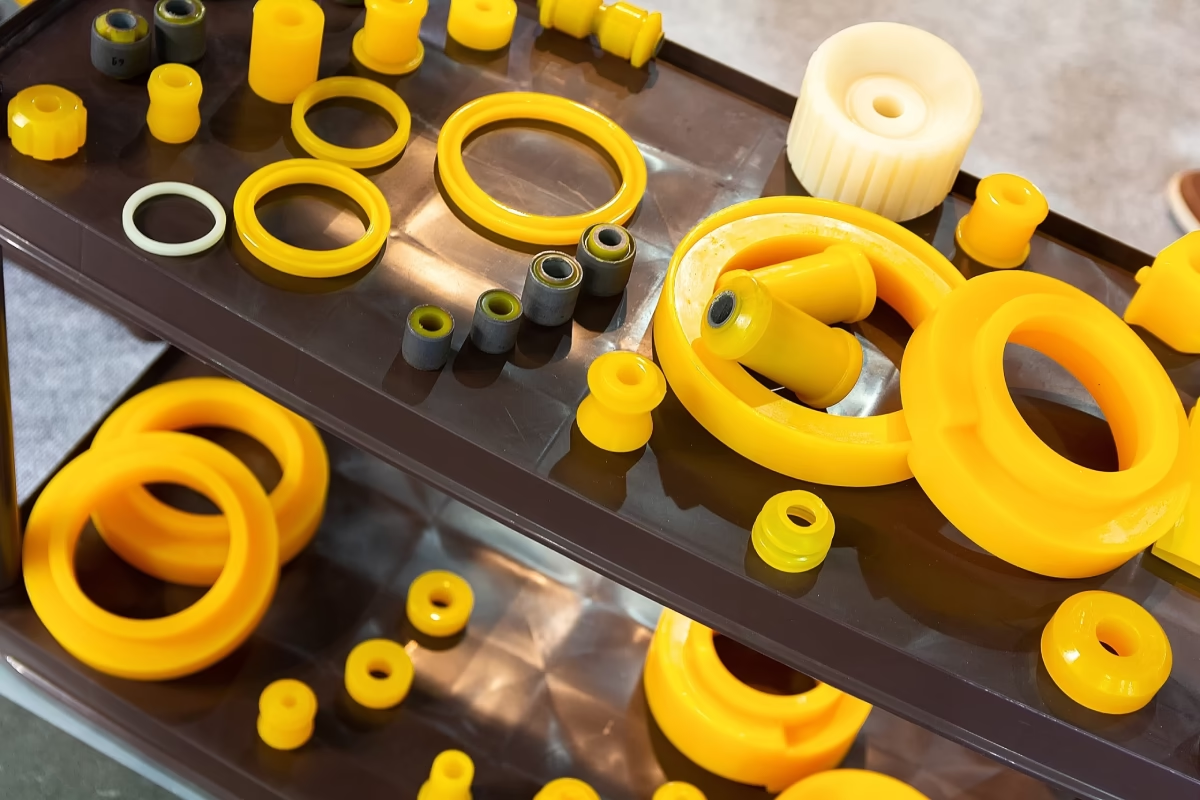
Among the available wear-protection materials, polyurethane (PU) lining has become a preferred solution for many demanding applications.
Polyurethane offers:
Exceptional Abrasion Resistance
Polyurethane can withstand continuous exposure to abrasive media such as sand, slurry, drill cuttings, and mineral particles. Its superior wear resistance helps protect the underlying pipe structure and significantly extends service life.
High Impact Strength
Unlike more brittle lining materials, polyurethane absorbs impact energy effectively, reducing damage caused by larger particles or fluctuating process conditions.
Flexibility and Durability
The elastomeric nature of polyurethane allows it to withstand vibration, pressure fluctuations, and thermal expansion without cracking or delaminating.
Chemical Resistance
Many polyurethane formulations provide excellent resistance to oils, fuels, seawater, and various industrial chemicals, making them suitable for both onshore and offshore applications.
Applications Where Wear-Resistant Piping Delivers Value
Oil and Gas
Produced water, sand-laden fluids, and drilling operations create significant wear challenges. Polyurethane-lined piping can help reduce failures associated with abrasive solids transport while extending maintenance intervals.
Mining and Mineral Processing
Dredging Operations
The transportation of sand, gravel, and sediments often causes rapid pipe degradation. Durable lining systems help maintain productivity while reducing repair frequency.
Subsea and Offshore Systems
Slurry transport systems are among the most demanding piping applications. Wear-resistant linings protect critical infrastructure from constant abrasion and erosion.
Harsh environmental conditions combined with difficult access make reliability essential. Wear-resistant piping solutions help minimize costly intervention and maintenance activities.
Lifecycle Cost Benefits
While wear-resistant piping may require a higher initial investment compared to conventional piping solutions, the long-term savings can be substantial. Reduced replacement frequency, lower maintenance costs, fewer production interruptions, and increased system availability typically result in a significantly lower total cost of ownership.
Rather than focusing solely on upfront material costs, forward-thinking operators evaluate the complete lifecycle performance of the system. In many cases, wear-resistant polyurethane-lined piping provides a rapid return on investment through improved reliability and reduced downtime.
Best Practices for Maximizing Uptime
To achieve the greatest benefits from wear-resistant piping systems, operators should:
- Conduct wear assessments during the design phase
- Select lining materials based on actual operating conditions
- Monitor high-wear locations such as bends and elbows
- Implement regular inspection programs
- Work with experienced material specialists to optimize system design
Proper material selection is often the single most important factor in preventing premature failures and maximizing system performance.
Conclusion
Reducing downtime is a key objective for any industrial operation, and wear-resistant piping systems play a vital role in achieving that goal. By protecting critical infrastructure from abrasion, erosion, impact, and corrosion, these systems help extend service life, reduce maintenance requirements, and improve operational reliability.
For applications involving abrasive or challenging process conditions, polyurethane-lined piping offers an excellent combination of durability, flexibility, and wear resistance. When properly engineered for the application, it can significantly reduce downtime and contribute to safer, more efficient operations.
Need Expert Advice?
Every application presents unique wear challenges. The Polyguard Technical Team can help evaluate your operating conditions and recommend the most suitable lining material for maximum performance and cost-effectiveness.
Contact Polyguard today to discuss your project and discover how the right wear-resistant piping solution can minimize downtime, extend asset life, and improve operational efficiency.